For this edition of the PPC Ask Your ProPartner™ column, Dennis Fiorilli, Senior Director of Product Information & Excellence at Sherwin-Williams, answers the following reader question: Why do paints bubble sometimes? Is there a test that can be done? Any other tell-tale signs to look for before painting?
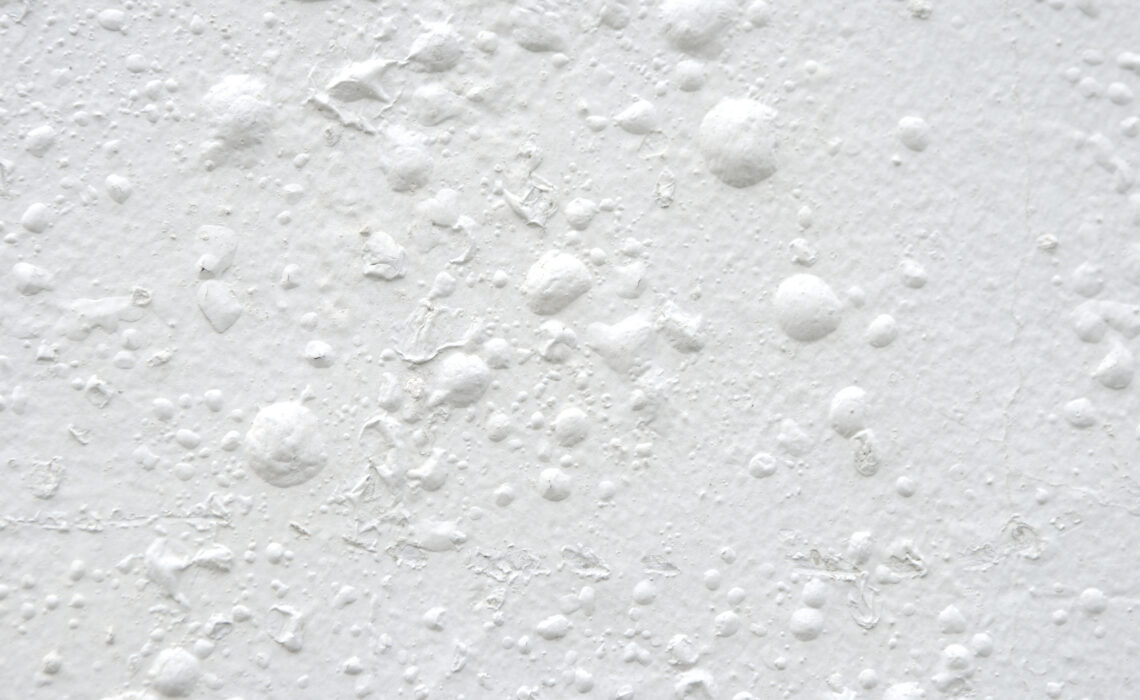
There are several reasons for paint to bubble:
1. Surface contaminants
Paint will appear to stick all around the contaminated area but will not adhere to it. As the paint dries, it shrinks. As it shrinks, it can pull, causing bubble-up on the area that’s not adhering very well.
2. Overapplying/overworking
Incorporating air into a coating that dries quickly is never good. The coating dries on the surface and the air gets trapped and can’t get out. Overapplying a coating can also cause severe stippling, dry time issues, and even cracking of the paint film.
3. Solvent (or water) entrapment
In this case, the coating dries on the surface and the solvent gets trapped under the dried film. As the solvent tries to work its way out, it leaves bubbles and even small craters.
4. Improperly shaking a product
Some coatings, such as clear varnishes, polyurethanes and clear sealers, are not designed to be shaken. Shaking incorporates air into the product, so a bubble forms upon application. A stir stick is generally all that is needed to mix these coatings.
5. Improper adhesion
This can be the cause if the existing coating looks like it’s adhering as you apply it, but bubbles start to appear once it dries. That means the existing coating really wasn’t adhering to the substrate at all.
Got a question?
We’re here to help! You can find answers to common product and application questions in the PPC Ask Your ProPartner archive.
Don’t see an answer to your painting problem? Send your question to Dennis via our secure contact form.
©2026 Fusable.